Creating Healing Spaces: The Importance of Functional Furniture in Cancer Care and Wellness
Imagine walking into a room that instantly makes you feel lighter and more at ease. The colors are soothing, the layout is spacious, and the furniture is not just functional but also supportive of your journey. In the world of oncology and cancer care, creating such a living space can significantly enhance the emotional and mental well-being of patients and their loved ones. Transforming your home with functional furniture can be a vital component of navigating cancer treatment, and I'm here to guide you on this journey through the lens of the cancer community and patient advocacy.
Functional furniture is more than just aesthetics; it's about creating therapeutic environments that promote healing. Think of a recliner that offers the perfect balance of comfort and support for those long hours spent in treatment or conversations about cancer education with family and friends. This type of furnishing can bring comfort to a person who needs emotional support while battling illness. Have you ever considered how the right furniture styles could become allies in your health journey? By selecting home furnishings that prioritize wellness, you are taking actionable steps towards improving your living space and overall quality of life.
One of the incredible aspects of transforming living spaces is how the right decor trends can align with lifestyle changes. Perhaps it’s time to swap out the rigid chairs for soft, cushioned seating that invites conversation and connection. Or, introducing soft lighting that creates a cozy atmosphere while keeping the environment free of harsh distractions could be small yet impactful changes. This embraces a more holistic approach to cancer care, where your surroundings play an active role in fostering peace and relaxation.
As we explore the transformative power of functional furniture in wellness blog conversations, consider how these pieces serve not only a physical purpose but also a mental one. They act as reminders of a supportive atmosphere, and their presence can rejuvenate one's spirit amidst the struggles of cancer treatment. Can you envision a serene reading nook or a meditation corner featuring calming colors and comforting textures? These are intentional spaces that encourage reflection and mindfulness, essential components of mental health and healing.
In conclusion, the journey through cancer care and treatment need not be solely focused on medical interventions. By integrating functional furniture into your home improvement projects, we can enhance the overall experience for patients and their support networks. It is about creating spaces where courage meets comfort, and emotional support is readily available. Let us spread the word through cancer awareness campaigns that showcase how our living spaces significantly affect healing. After all, what better way to advocate for our cancer community than by fostering environments that nurture well-being and resilience?
Fostering Wellness: The Role of Thoughtful Interior Design in Supporting Cancer Patients
When it comes to cancer care and wellness, it's easy to overlook the vital role that interior design plays. However, thoughtful design can transform a living space into a sanctuary, fostering healing and promoting mental health during what is often a challenging journey. Imagine walking into a room that feels warm, inviting, and uplifting—this is the power of functional furniture in creating therapeutic environments that cater specifically to the needs of cancer patients. How can we, as advocates for the cancer community, ensure that our home furnishings support wellness and emotional support during cancer treatment?
In oncology, the fusion of comfort with functionality is essential. As patients navigate their cancer treatment journey, they often seek spaces that resonate with peace and positivity. The furniture styles we choose can significantly impact a person's mood and outlook. For instance, a cozy armchair strategically placed by a window, flooded with natural light, can become a serene spot for reading or simply soaking in the sunlight. With the right decor trends, we can craft an environment that encourages relaxation and encourages lifestyle changes that promote health and well-being.
Furthermore, supportive interior design can amplify the importance of patient advocacy. When families engage in home improvement projects with cancer patients in mind, they demonstrate care that goes beyond words. Whether it's selecting soft textiles that are gentle on the skin or arranging furniture to create easy navigation for mobility, each choice speaks volumes. This thoughtful consideration not only aids in emotional support but also empowers patients to take an active role in their recovery, reinforcing a sense of autonomy amidst treatment challenges.
Support networks within the cancer community can also find renewed energy within well-designed spaces. Hosting gatherings in a thoughtfully arranged living area can spark conversations around cancer education, multi-generational support, and even cancer awareness campaigns. Engaging fellow patients or caregivers in these environments can create a bond that strengthens, fosters resilience, and nurtures hope. These shared experiences are invaluable, and they can transform a simple gathering into a powerful source of encouragement and understanding.
Ultimately, fostering wellness through thoughtful interior design goes beyond aesthetics; it’s about creating an environment that actively supports the healing process. By investing time in understanding functional furniture and how it contributes to cancer care, we can establish spaces that promote well-being. So, are you ready to take that journey? Together, let's explore how our living spaces can evolve into havens of healing that honor the incredible strength of cancer patients everywhere.
Elevating the Cancer Journey: The Intersection of Furniture Styles and Emotional Well-Being
When we think of the journey through cancer care, we often imagine the medical facilities filled with clinical white walls, sterile lighting, and a maze of bustling doctors and nurses. But what if we shifted our perspective? What if the spaces we inhabit were a source of comfort and support, enhancing emotional well-being? The nuanced world of furniture styles and how they influence the cancer journey is a discussion worth having. Understanding how functional furniture can elevate the experience of those in the cancer community can lead to significant improvements in mental health and promote healing during treatment.
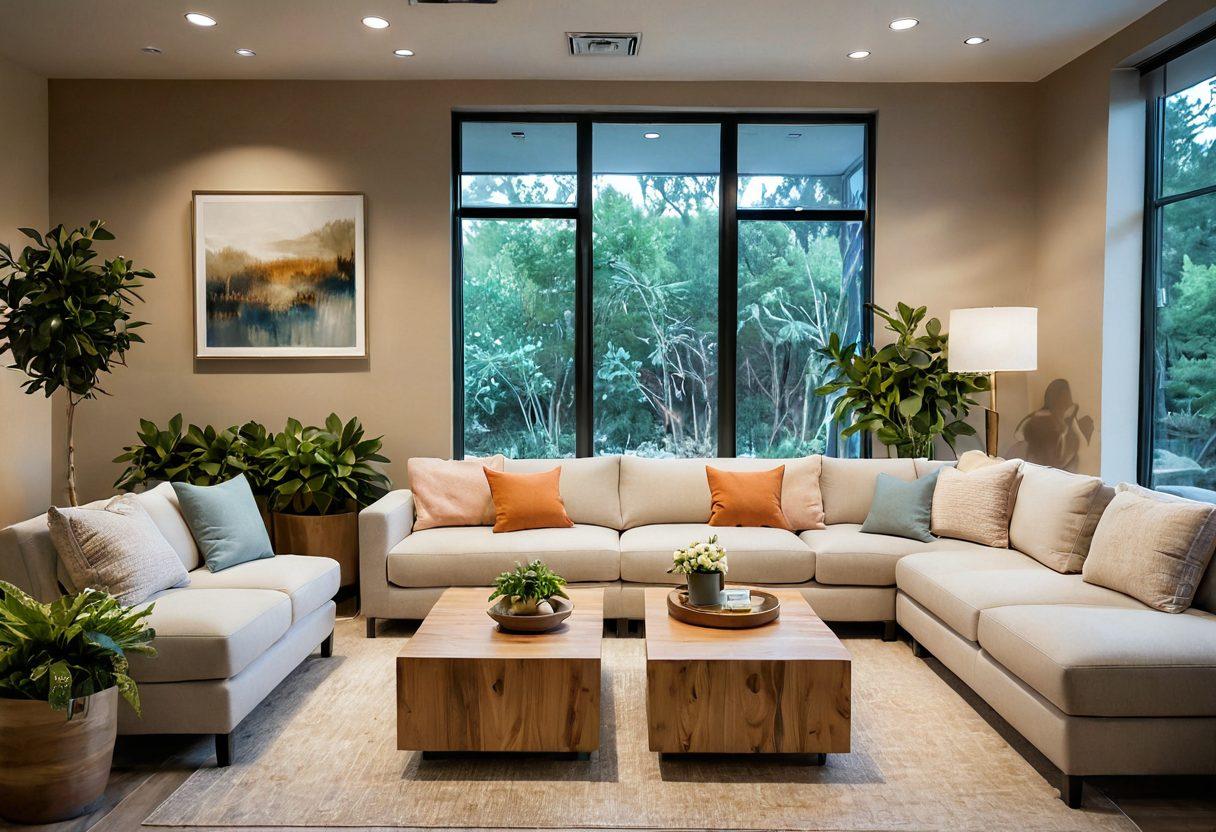
Imagine a warm, inviting living space adorned with soft textures, soothing colors, and well-placed furniture that encourages connection rather than isolation. Functional furniture transcends mere aesthetics; it plays a pivotal role in creating therapeutic environments that not only support the physical aspects of cancer treatment but also cater to emotional needs. In that context, we must ask ourselves: How can home furnishings be designed not just for utility but for emotional comfort? This question opens up a world of possibilities for patients and caregivers alike as they navigate their cancer journeys.
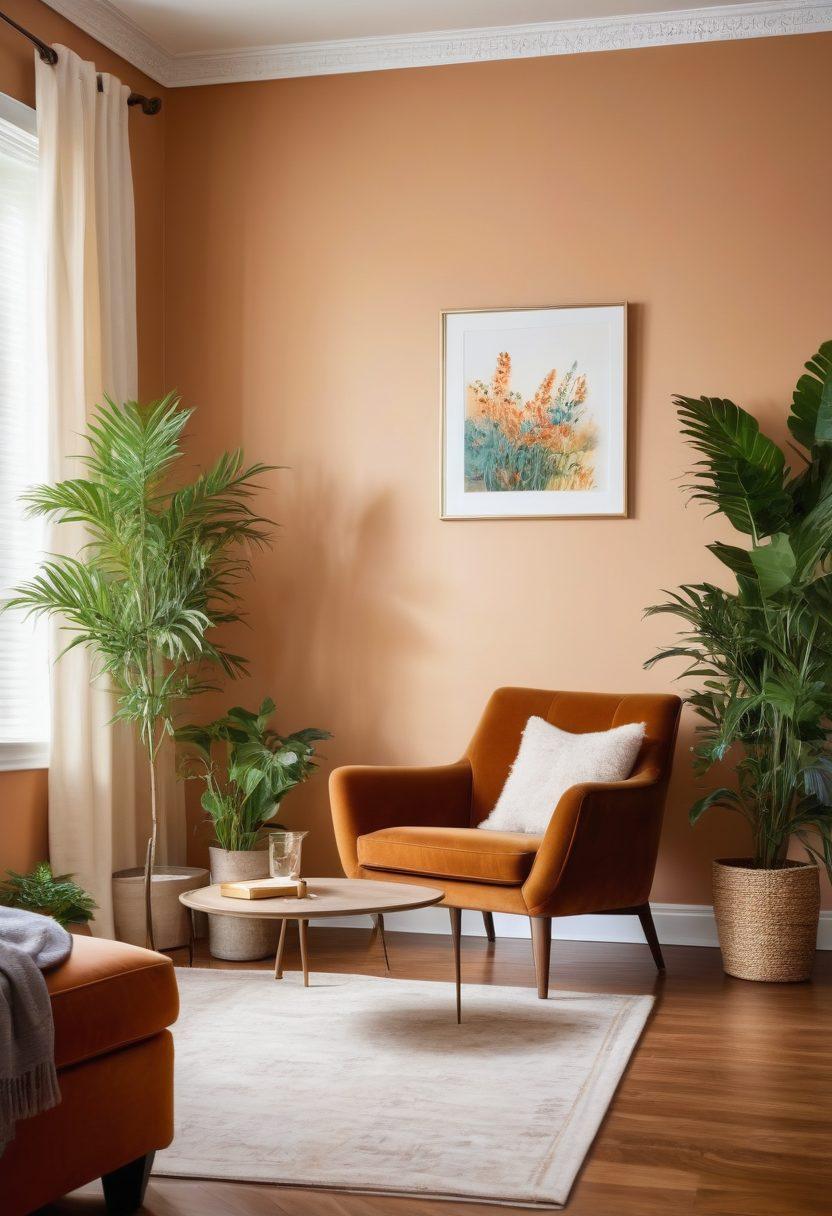
Take, for example, the power of a cozy reading nook by a window, complete with a plush armchair and soft blankets—a dedicated space to escape, reflect, or even dive into cancer education resources. Curating a nurturing atmosphere not only supports physical recovery but also reinforces support networks through shared experiences. The decor trends of today emphasize creating spaces that foster connection, dialogue, and healing. It’s not uncommon to hear advocates from health blogs emphasizing that aesthetic locations can play a crucial role in easing mental strain for those undergoing treatment.
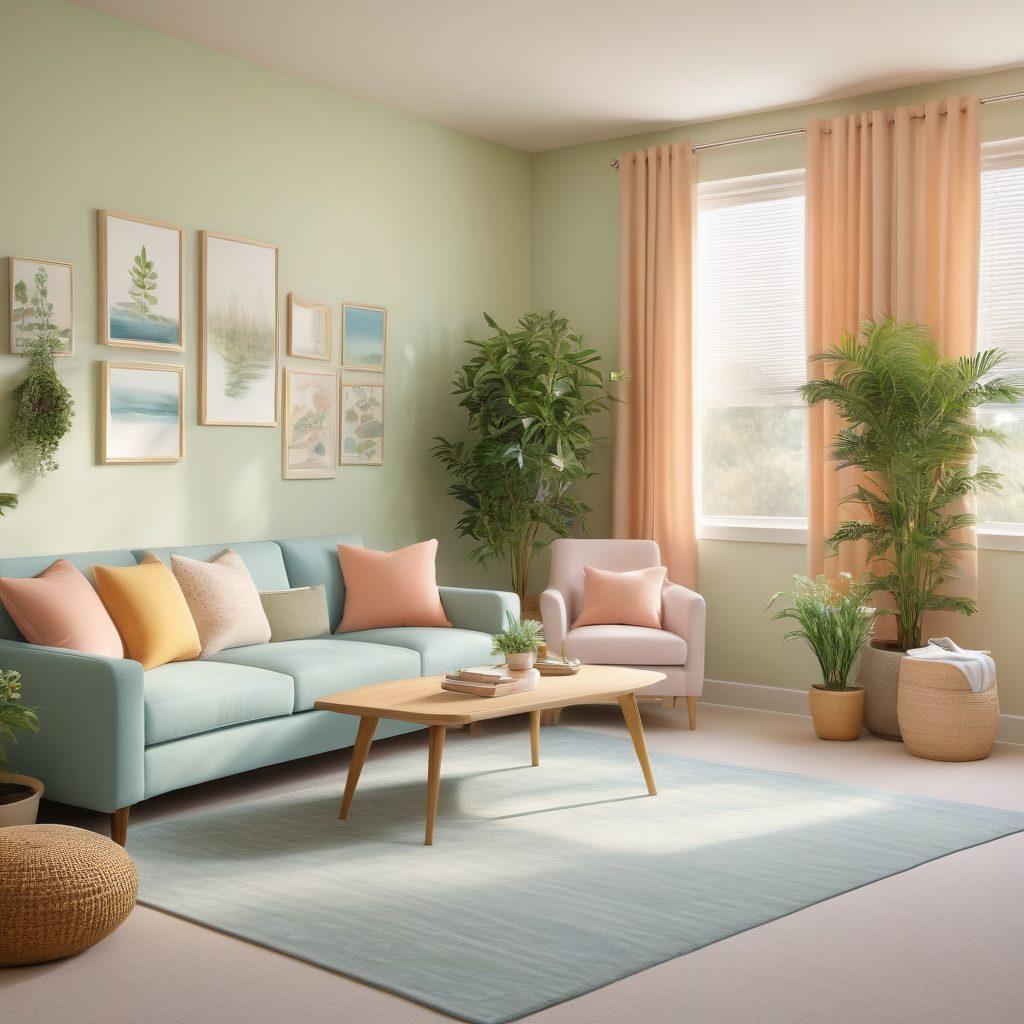
The emotional support provided by carefully chosen furniture styles goes beyond visual appeal; it can instigate lifestyle changes that encourage a healthier routine. Biophilic design, which incorporates natural elements into interior design, is particularly therapeutic. Picture lush plants in your living space and furniture that allows you to seamlessly shift from restorative yoga sessions to heartfelt conversations with loved ones. Remarkably, the very act of home improvement can be a therapeutic process, proving that mindful design is yet another formidable ally in the battle against cancer.
Ultimately, the connection between functional furniture and oncology cannot be underestimated. As we strive for cancer awareness campaigns to gain momentum, it’s essential to highlight the importance of emotional well-being in cancer care. The journey through cancer treatment is often filled with challenges, but by making conscious choices in our living environments, we can uplift spirits, nurture hope, and cultivate joy. As we support one another in the cancer community, let us embrace the therapeutic power of thoughtful interior design, ensuring that every space reflects not just survival but thriving.